
Reliable Commercial CCTV Installation Services in Vancouver
Maximize security with commercial security camera installation in Vancouver

Commercial security camera installation for Vancouver businesses pairs visible deterrence with practical, data-driven intelligence to reduce risk and improve operations. This article outlines what modern commercial CCTV can do, how AI-enabled cameras and system integrations deliver measurable value, and the Vancouver-specific considerations — permits, weatherproofing, and cybersecurity — you should plan for. Businesses today face more opportunistic crime and busy operational demands; a tailored CCTV system cuts theft, speeds incident resolution, and provides analytics that improve staffing and layout decisions. Read on for industry-focused recommendations, a clear feature breakdown (AI detection, color night vision, resolution), transparent cost and ROI guidance, and an installation workflow to get systems running quickly.
Why is commercial CCTV installation essential for Vancouver businesses?
Commercial CCTV is essential because it deters crime, preserves evidence, and delivers operational insights that directly affect loss prevention and productivity. Visible cameras and clear signage change offender behaviour, while recorded footage speeds investigations and supports insurance claims. Beyond security, AI analytics — people counts, heatmaps, queue analysis — turn video into actionable data that helps you staff smarter and improve layouts. Those three benefits — deterrence, evidence, and operational intelligence — make CCTV a strategic investment for Vancouver companies looking to protect people and improve performance.
Visible surveillance reduces incidents and helps investigations move faster with reliable, timestamped footage. Often the sight of cameras and signage is enough to stop casual theft, and recorded evidence helps police and insurers resolve claims sooner and with more clarity. For businesses that stay open late or see heavy foot traffic, this risk reduction protects both the bottom line and reputation. With deterrence and evidence in place, AI analytics then convert routine video into operational insight.
How CCTV turns video into business intelligence depends on camera placement, analytics setup, and data workflows. Properly tuned sensors and AI models count visitors, map busy zones, and flag unusual behaviour so managers act proactively rather than reactively. These analytics also cut time wasted on false alarms by prioritizing verified events, which reduces operational friction. That focus leads naturally into the camera features businesses should prioritise for Vancouver conditions and common use cases.
Book on-site quotes & installations (install in days, not weeks). This local service speeds deployment so Vancouver businesses move from planning to protection without long project delays.
How does commercial CCTV deter crime and protect property?
Commercial CCTV raises the perceived risk for would-be offenders through visible cameras, signage, and fast detection. Cameras at entrances, loading bays and known theft hotspots shift the cost–benefit calculation for opportunistic criminals, while active monitoring and instant alerts enable quicker staff or police response. Recorded footage provides forensic-grade evidence — timestamps and high-resolution images that simplify ID and strengthen insurance claims. To maximise deterrence, combine visible cameras with clear signage, good lighting, and regular maintenance so the system stays credible and operational.
Visible cameras aren’t the only deterrent — analytics-driven alerts and alarm integrations amplify response. When an AI model flags loitering or a perimeter breach, connected alarms and push notifications escalate the response and create an incident trail. Reliable power and weatherproof housings are vital in Vancouver’s climate to keep deterrence effective year-round. Those durability and integration choices feed directly into how camera analytics deliver business value beyond security.
Local Vancouver businesses have increasingly backed CCTV adoption to counter rising crime and improve safety. That community support shows a clear demand for better commercial security measures.
Vancouver businesses advocate for CCTV to deter crimeA group of local bar owners in Vancouver, BC has advocated for CCTV at business entrances to deter crime and protect patrons. Their efforts illustrate how businesses and local authorities can work together to use surveillance technology for safer public spaces.The politics of sight/site: Locating cameras in Vancouver's public spaces, KD Haggerty, 2008
What operational insights can AI-powered CCTV provide for businesses?

AI-powered CCTV gives practical operational insights like people counting, heatmaps, queue-time and dwell-time metrics that inform staffing and layout choices. Retail managers use people counts to match staff schedules to peak traffic; restaurants use queue analytics to shorten waits and increase turnover. Edge computing provides near-real-time alerts while reducing bandwidth for cloud uploads, and cloud storage offers longer retention and centralised analytics across sites. These capabilities turn passive video into an active business tool — improving service and preserving a strong security posture.
AI also cuts false positives by distinguishing people and vehicles from environmental motion (rain, tree movement), saving staff time and reducing alarm fatigue. When analytics are tied to access control, you get context — who entered, when, and whether that activity looks unusual. That combined view helps you pick camera features that deliver both security and operational return.
What are the advanced features of modern commercial security cameras?
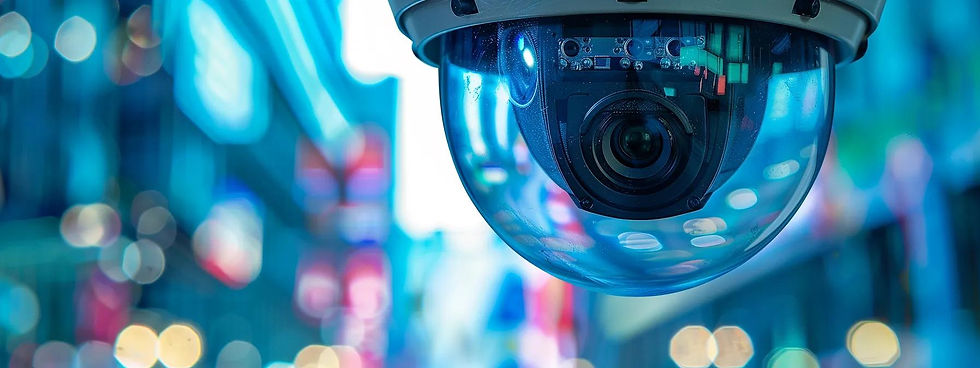
Modern commercial cameras offer AI detection, colour night vision, high-resolution sensors (4K/2K), two-way audio, and integrations with alarms and access control. Together these features improve detection accuracy, help identify people or vehicles after incidents, and enable timely responses. AI analytics can run on the camera (edge) for immediate alerts, while cloud platforms gather data for long-term operational reporting. Which features matter most depends on site goals — loss prevention, perimeter protection, or analytics-driven operations — and on local constraints like lighting and weather.
Below is a concise comparison of core camera features and their practical benefits for businesses.
Intro to camera feature table: The table maps key camera features to attributes and business benefits to help decision-makers prioritise technology.
Feature | Attribute | Benefit |
AI Detection | People / vehicle / loitering / object left or removed | Puts focus on relevant events and cuts false alarms |
Colour Night Vision | Low-light colour imaging | Improves identification and forensic value after dark |
4K/2K Resolution | High pixel-density sensors | Clear ID at distance and broader coverage per camera |
Two-way Talk | Built-in microphone and speaker | Let staff warn or interact remotely in real time |
This comparison explains why tech choices matter: AI and high resolution improve security outcomes, while communication and colour night vision strengthen response and evidence quality.
How does AI detection enhance business surveillance?
AI detection turns raw video into prioritised events — people, vehicles, loitering, object handling — so teams focus on what matters instead of chasing routine motion. In retail, AI can flag suspicious behaviour near high-value displays; in warehouses, vehicle detection helps monitor yard traffic and prevent collisions. Edge AI gives immediate alerts, while cloud analytics aggregate trends across locations for operational reporting. By lowering false positives and highlighting high-confidence events, AI keeps staff attention where it’s needed and improves overall signal-to-noise for security teams.
AI analytics also produce metrics like dwell time and repeat-visitor counts that inform merchandising and staffing. When combined with access control and alarms, AI creates context-rich alerts that reduce unnecessary dispatches and speed resolution. Those capabilities underscore the need for secure network design and regular firmware maintenance to keep analytics accurate over time.
What are the benefits of colour night vision and 4K resolution?
Colour night vision and 4K/2K resolution improve identification, reduce the need for extra lighting, and produce footage that holds up with investigators and insurers. Higher-resolution sensors capture more detail across wider fields of view, so fewer cameras can cover larger areas without losing identification capability. Colour night vision keeps colour cues in low light — useful for identifying clothing, vehicle paint or signage. Together, these imaging upgrades reduce ambiguity after incidents and raise the forensic value of footage.
High-resolution video requires planning for storage and bandwidth, but efficient codecs, edge recording and selective cloud uploads make those costs manageable. Properly designed systems balance retention needs with budget so critical footage is preserved while routine video is pruned. Those trade-offs inform choices around NVRs, PoE switches and recording strategy.
Which industry-specific CCTV solutions are available in Vancouver?
Different industries need tailored CCTV strategies: retail focuses on point-of-sale and shelf coverage, warehouses prioritise perimeter and inventory zones, and strata or office towers require communal-area oversight with privacy-aware placement. Matching camera types — fixed, PTZ, ruggedised or wide dynamic range — to operational needs delivers targeted protection without over-deploying equipment. Integrations with alarms, access control and cloud analytics further streamline incident workflows and enable centralised monitoring across multiple sites.
Intro to industry EAV table: The table below links common Vancouver industries to typical CCTV needs and recommended camera features so business owners can plan more quickly.
Industry | Typical Needs | Recommended Camera Types/Features |
Retail | Loss prevention and customer flow analysis | Shelf / ceiling 4K fixed cameras, AI people counting, colour night vision |
Warehouse | Perimeter security and inventory monitoring | Rugged PTZ, perimeter AI detection, NVR recording |
Restaurants | Entrance, pickup and kitchen safety | Wide-angle 2K cameras, queue analytics, two-way talk |
Strata / Offices | Common-area oversight and access integration | Discreet vandal-resistant cameras, access-control integration |
This mapping helps stakeholders prioritise purchases and align CCTV features with measurable business goals.
How do retail security cameras reduce shoplifting and employee theft?
Retail cameras reduce theft through smart placement, AI-based suspicious-behaviour detection, and integration with point-of-sale systems so transactions can be matched to video. Cameras covering high-risk zones — entrances, returns, blind spots — plus analytics that spot loitering or repeat visits both deter offenders and flag incidents for review. Heatmaps and people-counting reveal peak times so managers can staff effectively to reduce shrink. Strong installations also include clear signage and staff training so surveillance serves as both deterrent and investigative tool.
Measuring ROI in retail mixes shrink reduction with gains from better layouts and staffing. When analytics show bottlenecks, managers can reallocate staff to busy areas, improving service and cutting theft opportunities. Those combined benefits make retail especially suited to analytics-driven CCTV systems.
What are the best CCTV options for warehouses and industrial facilities?
Warehouses do best with ruggedised cameras, PTZ units for wide sweeps, and perimeter detection that triggers alarms on breaches. High ceilings and wide aisles call for cameras with wide dynamic range and tilt/zoom to capture forklifts and pallet-level activity. Integrating with access control and alarms ensures unauthorised entry or after-hours movement triggers coordinated responses. Inventory monitoring usually mixes fixed cameras for continuous coverage and PTZs for spot checks, supporting loss prevention and safety compliance.
Choose hardware rated for dust, moisture and variable lighting to ensure long-term reliability. Pair that with a resilient network design and Power-over-Ethernet to simplify installation and reduce single points of failure. These practical choices lead into why licensed technicians matter for installation.
How does Best Canadian Security provide fast and reliable commercial CCTV installation?
Best Canadian Security is a Greater Vancouver installation specialist for commercial camera systems, alarms and smart integrations. We focus on fast deployment, offering free quotes and design, and we use licensed, insured technicians so installations meet code and perform reliably. Our manufacturer-agnostic approach delivers unbiased recommendations across wired systems, AI detection, colour night vision and high-resolution imaging. These service priorities minimise downtime and move businesses quickly from assessment to active protection.
Book on-site quotes & installations (install in days, not weeks). Our consult-design-quote workflow reduces scheduling friction so procurement and on-site setup happen faster for businesses that need immediate security improvements.
What is the step-by-step commercial CCTV installation process?
A predictable installation process reduces surprises and speeds time to operation: consultation, site survey, design, quotation, scheduling, installation, testing and training. In consultation, technicians pinpoint objectives and high-risk zones, then build a design that balances coverage, analytics and budget. Installation covers camera placement, cabling or PoE switch configuration, NVR mounting and alarm/access-control integration as needed. After testing and tuning analytics, the handover includes operator training and documentation so staff can use mobile apps, playback and alerting features effectively.
Clear timelines and defined roles for each phase speed approvals and minimise disruption. That predictability is essential for businesses that can’t tolerate long installation windows and want protection in place quickly.
Why choose licensed and insured technicians for your business security?
Licensed and insured technicians ensure legal compliance, safer installations and professional warranties that reduce liability during and after deployment. Proper licensing means cabling, electrical work and mounts meet building and safety codes; insurance protects both clients and installers against accidental damage. Professional installation also guarantees correct camera angles, secure network configuration and reliable alarm/access-control integration — reducing vulnerabilities from poor setups. Choosing qualified technicians helps preserve evidentiary integrity and supports insurance claims when incidents occur.
Expert installers also manage permit navigation and documentation for strata or municipal authorities, cutting back-and-forth and keeping projects on schedule. That stewardship supports long-term maintenance and firmware-update practices that protect cybersecurity.
What are the cost factors and ROI of commercial security camera systems in Vancouver?
Commercial CCTV cost depends on camera type and count, cabling and power, labour and mounting complexity, recording and storage strategy, and integration with alarms or access control. High-resolution 4K cameras and AI-capable edge devices raise hardware costs but can reduce the number of units needed and increase detection accuracy, improving ROI. Labour reflects access difficulty and weatherproofing needs in Vancouver’s climate, while cloud storage or managed services add recurring fees. To estimate return, factor in theft reduction, faster incident resolution and potential insurance premium discounts that typically range from about 5–20%, depending on insurer requirements and system features.
A short cost-factor list helps decision-makers see where expenses occur and which choices deliver the biggest operational return.
Camera type and resolution determine unit price and coverage per camera.
Cabling, PoE switches and power affect materials and labour.
Integration with alarms/access control raises complexity but streamlines operations.
Cloud storage and retention policies determine ongoing monthly costs.
Together these factors shape upfront investment and ongoing value, and they help decide whether to prioritise higher-end cameras or broader coverage.
Intro to cost table: The table below breaks major cost drivers into typical ranges so businesses can plan budgets while recognising site variability.
Cost Driver | Attribute | Typical Range/Value |
Camera unit | Resolution / feature set (2K / 4K, AI, rugged) | $200–$1,200 per camera |
Cabling & power | PoE switches, conduit, mounts | $100–$400 per camera site impact |
Labour & installation | Complexity, access, permits | $500–$2,000 per site phase |
Storage/management | NVR / cloud retention and analytics | $20–$200 monthly depending on retention |
This cost grid highlights the main drivers; precise quotes require an on-site assessment that accounts for unique site constraints and objectives.
How much does commercial CCTV installation typically cost in Vancouver?
Costs vary by camera specs, site access and integration needs, but planning with ranges sets realistic expectations. Simpler systems with 2K cameras and local NVR recording sit toward the lower end, while multi-site deployments with 4K AI cameras, cloud analytics and integrated access control increase costs. The best way to get an accurate number is an on-site survey that includes weatherproofing, mounting heights and network capacity. Those site-specific variables explain why free on-site quotes and designs are valuable for realistic budgeting.
Transparent budgets also speed procurement by reducing change orders and aligning stakeholder expectations. That clarity helps installations finish faster and handovers go smoothly.
How can CCTV systems help businesses save on insurance premiums?
Well-documented CCTV systems can qualify businesses for insurance discounts because they lower risk and improve claim substantiation. Insurers typically look for reliable recording, tamper-resistant installations and documented retention policies; meeting those criteria can yield discounts commonly cited at roughly 5–20%. To qualify, keep installation records, retention logs and access procedures to show system reliability. Evidence of licensed installers, uninterrupted power solutions and tested alarm integrations strengthens the case for premium reduction.
Sharing system specs and providing insurers with sample footage or verification reports speeds discount approval and simplifies claims. That documentation-focused approach reinforces the financial case for investing in quality installations.
What are the common questions about commercial CCTV installation in Vancouver?
This section answers practical local questions about permits, remote monitoring, weatherproofing and maintenance so decision-makers can move forward with confidence. The answers emphasise clear steps — consult licensed installers, keep installation records and prioritise secure network practices — so businesses avoid common compliance and cybersecurity pitfalls. After these points are addressed, many businesses book on-site quotes to get site-specific recommendations and timelines. The items below cover the most frequent concerns and give straightforward next steps.
Modern CCTV systems, especially those with AI and extensive network connectivity, introduce real cybersecurity considerations. Protecting distributed camera systems from threats is essential to keep operations and data private.
Cybersecurity challenges in dense CCTV networksDense deployments of camera networks, particularly in urban areas, create challenges when assessing the cybersecurity of existing or new CCTV systems. These systems are often shared across stakeholders, which can increase exposure if not properly secured.Security of CCTV and video surveillance systems: Threats, vulnerabilities, attacks, and mitigations, A Costin, 2016
Do I need a permit to install security cameras in Vancouver?
Permits can be required when installations involve structural changes, external-facing cameras or electrical work; always check local bylaws and strata rules before you start. Many straightforward mounts on existing structures don’t need building permits, but adding power or conduit often triggers permit requirements. Licensed installers can advise on permit needs for strata, commercial buildings and municipal guidelines to avoid compliance issues. When unsure, engage a professional early — it reduces delays and ensures installations meet code and strata rules.
Keeping permit paperwork and installation reports on file also makes insurance verification and future upgrades easier. Understanding permit scope feeds into planning for weatherproofing and cybersecurity.
Can I monitor my business remotely through mobile apps?
Yes. Most modern commercial systems support secure remote viewing, live alerts and playback through vendor or platform mobile apps with multi-user controls and role-based permissions. Secure remote access depends on strong passwords, two-factor authentication, up-to-date firmware and network segmentation to protect feeds from unauthorised access. Businesses should adopt a cybersecurity plan that includes segmented networks, encrypted streams and a patching schedule to keep systems secure and compliant. These practices protect privacy and preserve the operational value of remote monitoring.
Strong admin controls and regular firmware updates reduce compromise risk and keep remote monitoring reliable. Once those items are in place, many businesses confirm a rapid installation schedule.
Book on-site quotes & installations (install in days, not weeks). If you want a site assessment and a quick deployment timeline, request an on-site design and quote to move from planning to active protection.
Schedule an on-site survey: A qualified technician assesses coverage needs and site constraints.
Receive a tailored design and quote: Transparent pricing and a timeline aligned to your location.
Approve a fast-install schedule: Coordinate minimal downtime and quick commissioning.
The rollout of CCTV surveillance in Canadian cities, including Vancouver, has been an important part of urban safety strategies. Research into these deployments gives useful insight into effectiveness and broader impacts.
CCTV surveillance in Canadian cities: Vancouver case studyThe rise of open-street CCTV in Canada has attracted research on its implementation and effects in urban centres. Studies have looked at deployments in cities such as Hamilton and Vancouver to examine their role in public safety and community responses.The rise of open-street CCTV surveillance in Canada, K Walby, 2005
Frequently asked questions
What are the key considerations for choosing a CCTV system for my business?
Think about your specific security risks, the layout of your premises and the threats you face. Evaluate camera resolution, night-vision performance and AI analytics capabilities. Consider integration with existing alarms, access control and storage strategy, plus remote monitoring needs. A professional consultation helps tailor a system to your operational and security priorities.
How can I ensure the longevity and reliability of my CCTV system?
Regular maintenance is essential: check camera operation, clean lenses, and keep software and firmware up to date to reduce vulnerabilities. Use weatherproof mounts where required and secure installations against tampering. A scheduled maintenance plan with a trusted service provider catches issues early and keeps the system dependable.
What are the cybersecurity risks associated with CCTV systems?
CCTV systems can be vulnerable if not properly secured: risks include unauthorised access to video feeds, data breaches and tampering with camera settings. Mitigate these by using strong passwords, two-factor authentication, regular updates, network segmentation and encrypted video streams. A cybersecurity review by experts can further harden your deployment.
How do I train my staff to effectively use the CCTV system?
Train staff with hands-on sessions covering camera operation, accessing recorded footage and responding to alerts. Show them how to use mobile apps and review footage, and reinforce security protocols. Periodic refreshers keep teams current with new features or changed procedures so they can respond correctly to incidents.
What should I do if I experience technical issues with my CCTV system?
First check power and connections. If the issue continues, consult the user guide for basic troubleshooting. For complex problems, contact your installation provider or a qualified technician to diagnose and fix the issue. Keep a log of issues and maintenance to help technicians spot recurring faults.
Can CCTV systems be integrated with other security measures?
Yes. CCTV works well with alarms, access control and motion sensors to create a coordinated security platform. Integration enables real-time alerts and streamlined incident responses. Talk to a security expert to design the best integration plan for your site and workflows.
What are the legal considerations for installing CCTV in Vancouver?
Comply with local laws and privacy rules when installing CCTV. That includes clear signage, data retention policies and careful handling of recorded footage. Consult legal advisors or municipal authorities to ensure compliance with PIPEDA and any local bylaws. Be transparent with employees and customers about surveillance practices and keep proper documentation.
Conclusion
Investing in commercial security camera installation in Vancouver not only improves safety but also delivers operational insights that boost efficiency. Advanced technologies like AI detection and high-resolution imaging help deter crime while informing staffing and layout choices. A well-integrated system gives you a proactive approach to security, better peace of mind and potential insurance savings. Take the next step: explore tailored CCTV solutions to protect your business and optimise operations.


Comments